- youtube
- bluesky

- Home
- About
- Costume Journal
- Membership
- Conference & Events
- Grants & Awards
- News & Social
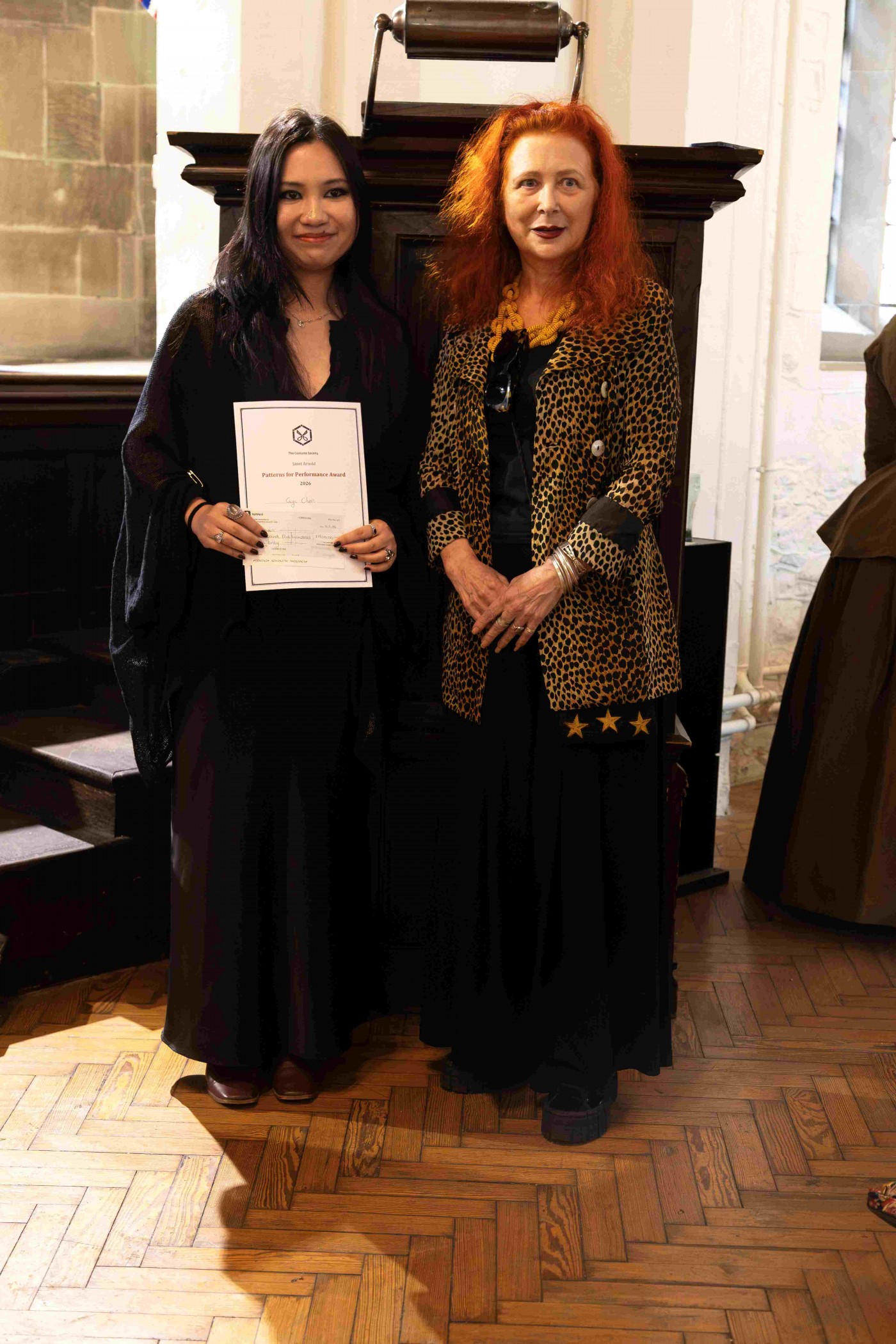
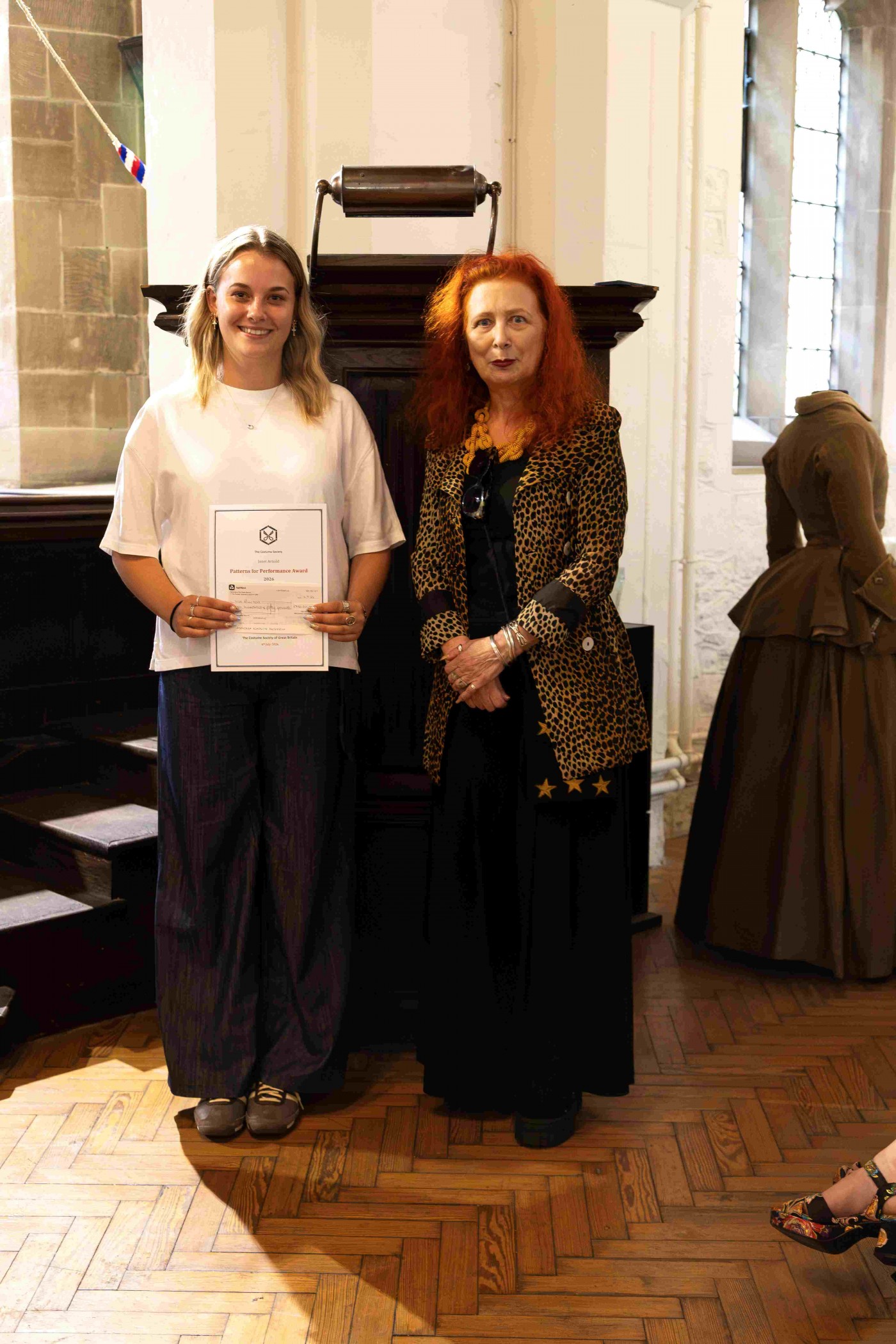
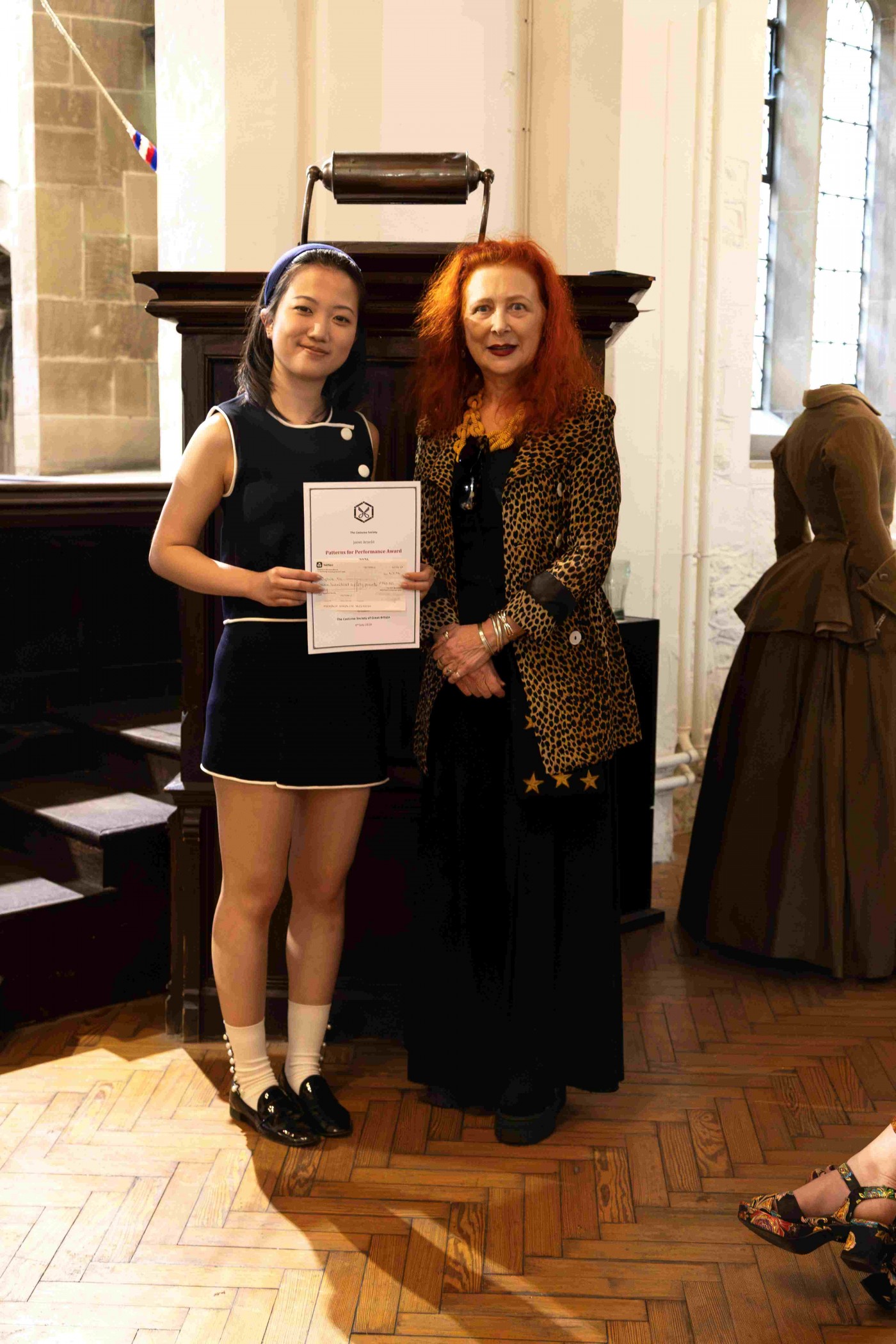
The Costume Society’s Patterns for Performance Award 2026 Winners were announced on 4th July 2026.
This year, the standard of entries was exceptional, with the largest number of applications from the widest variety of institutions around the world that the awards have ever seen.
The entries were judged by multi-award winning costume designer Joanna Eatwell, known for her work on Wolf Hall, Taboo, Carnival Row, Venom, One Life and The Radleys.
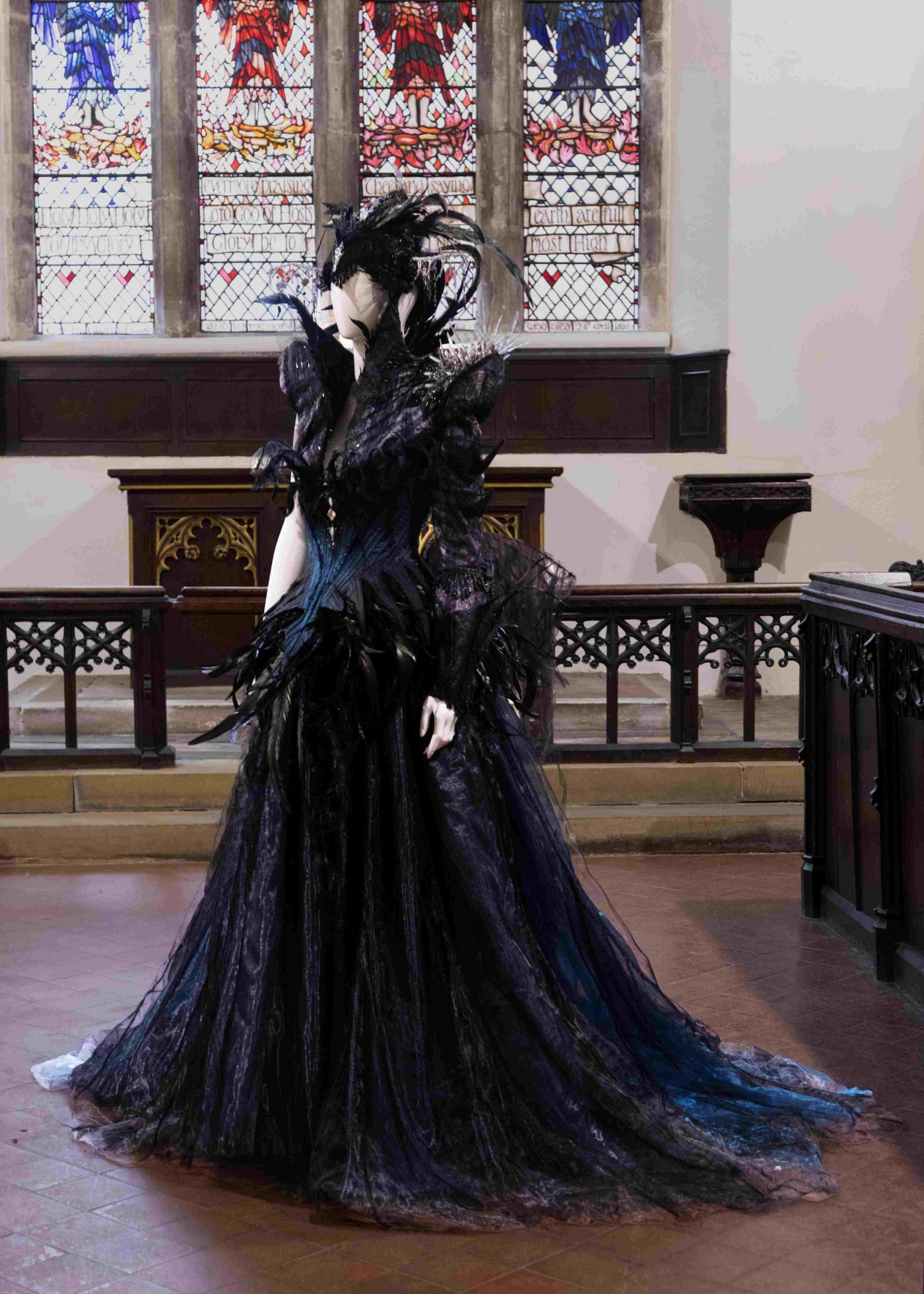
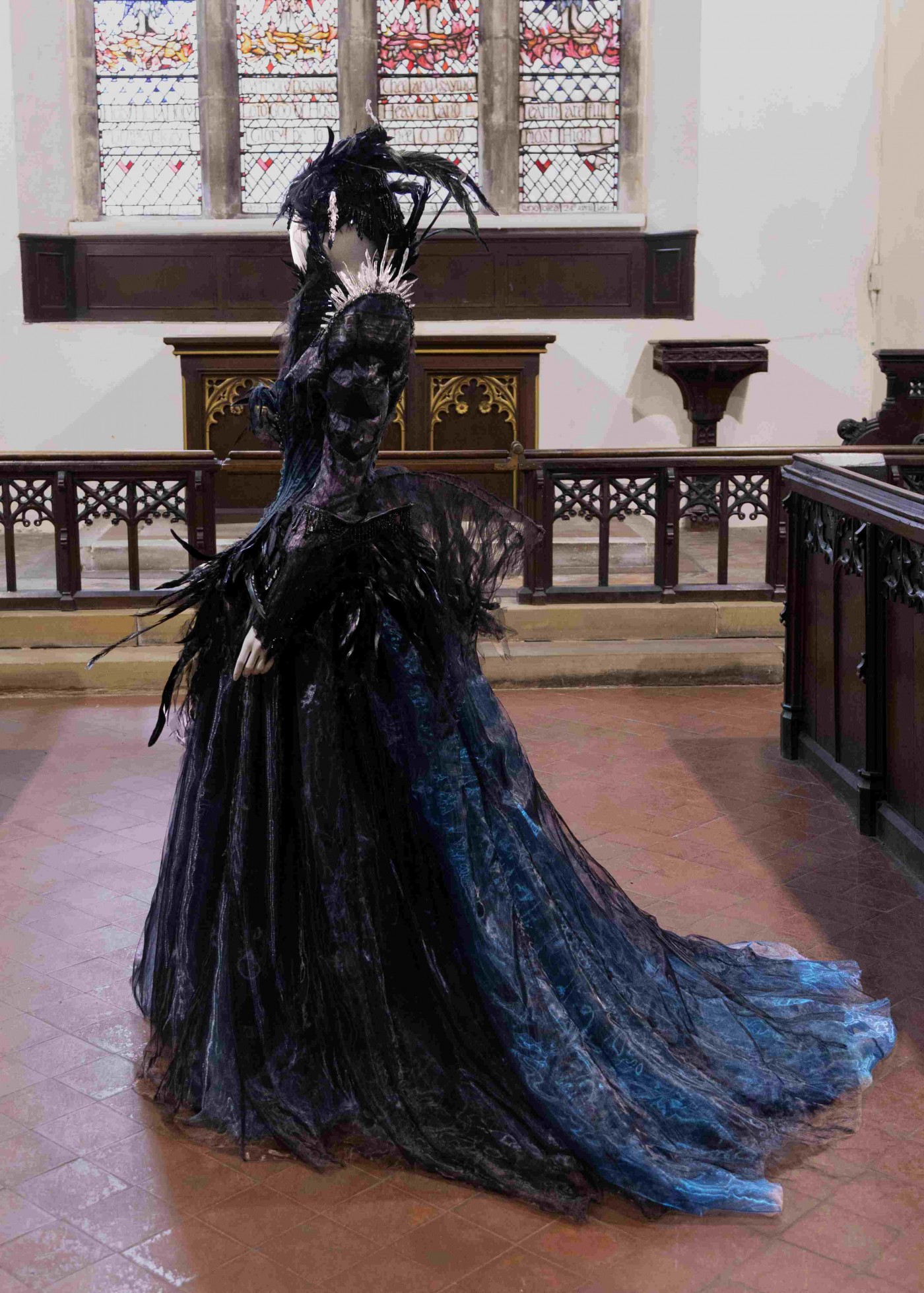
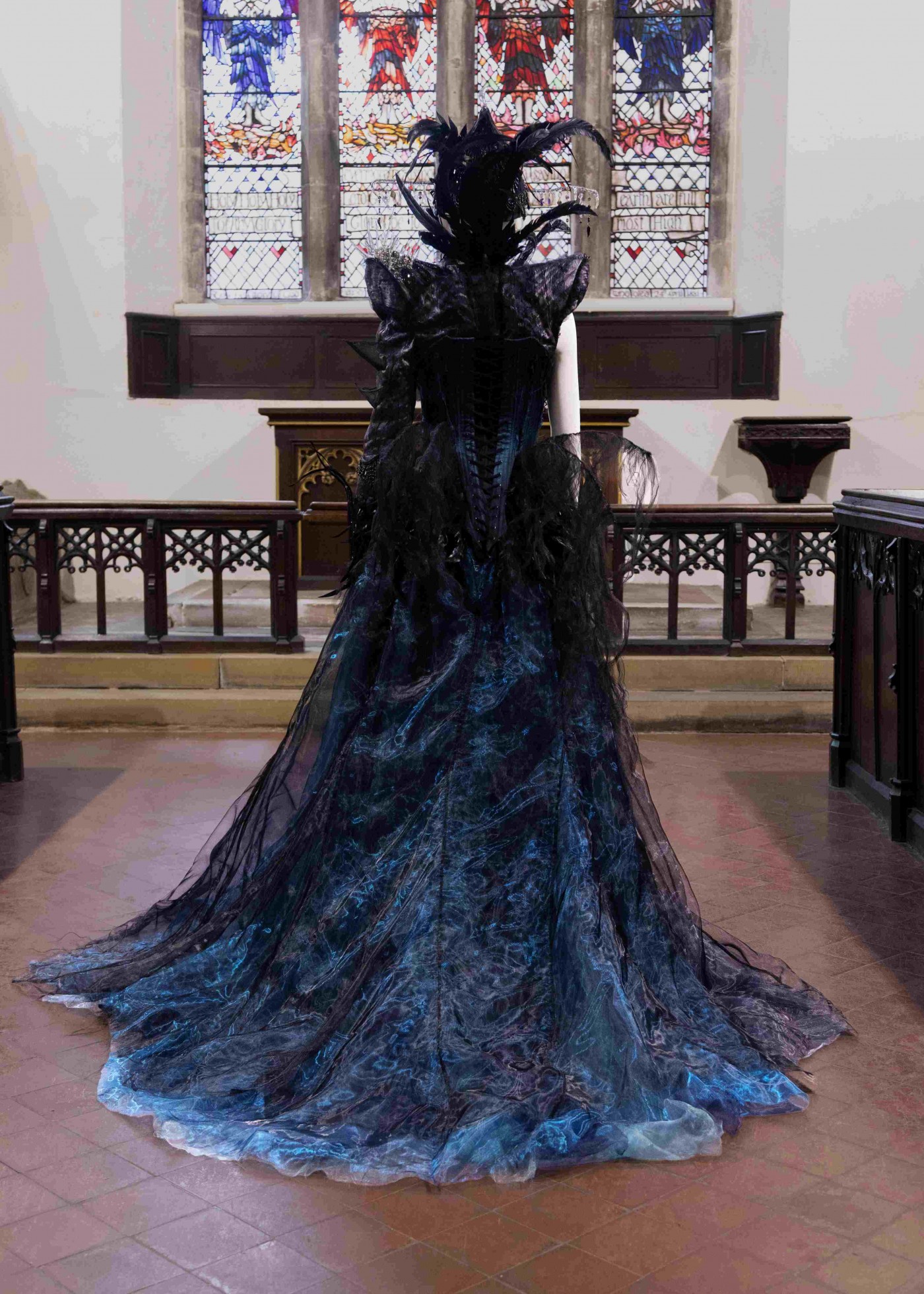
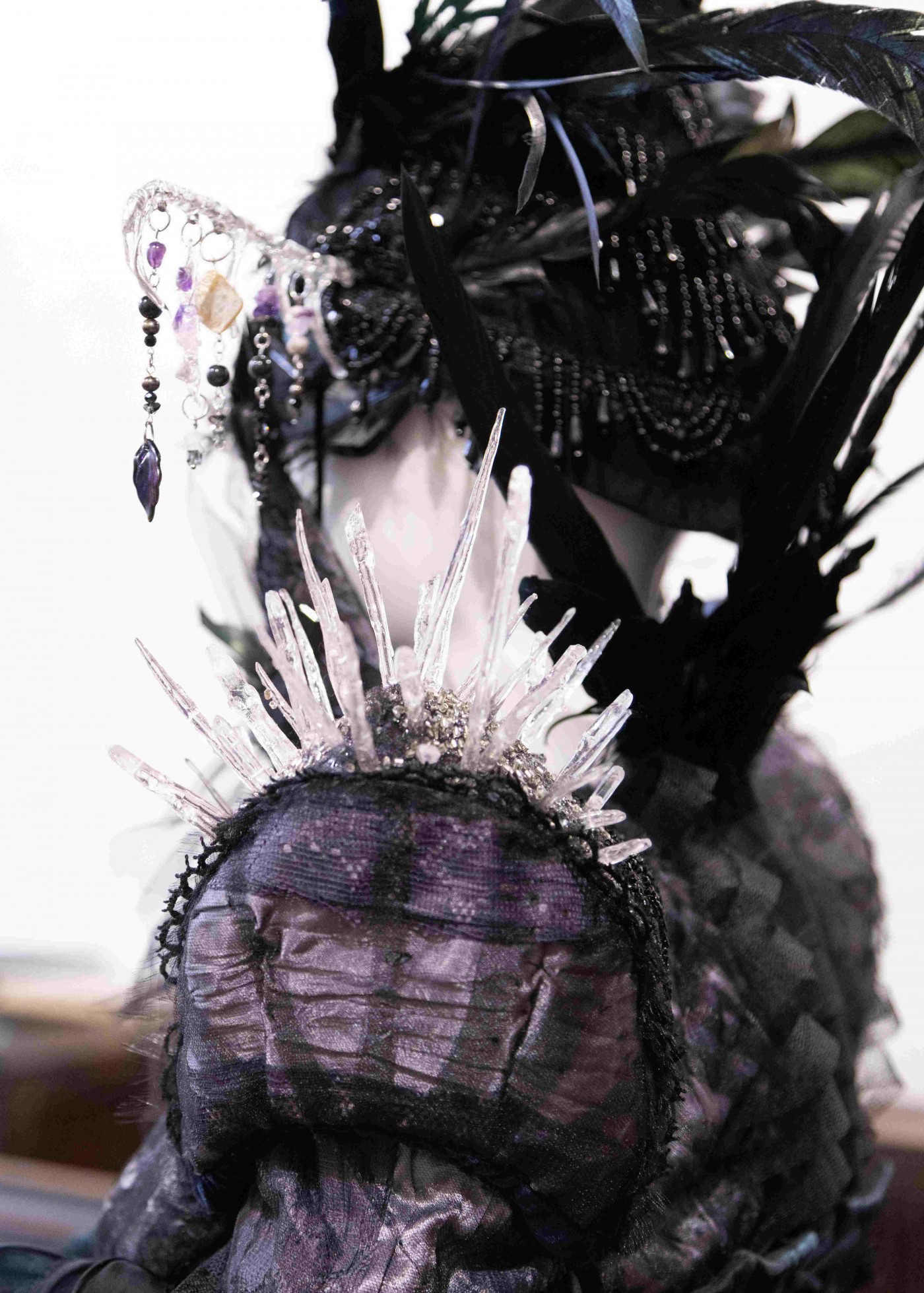
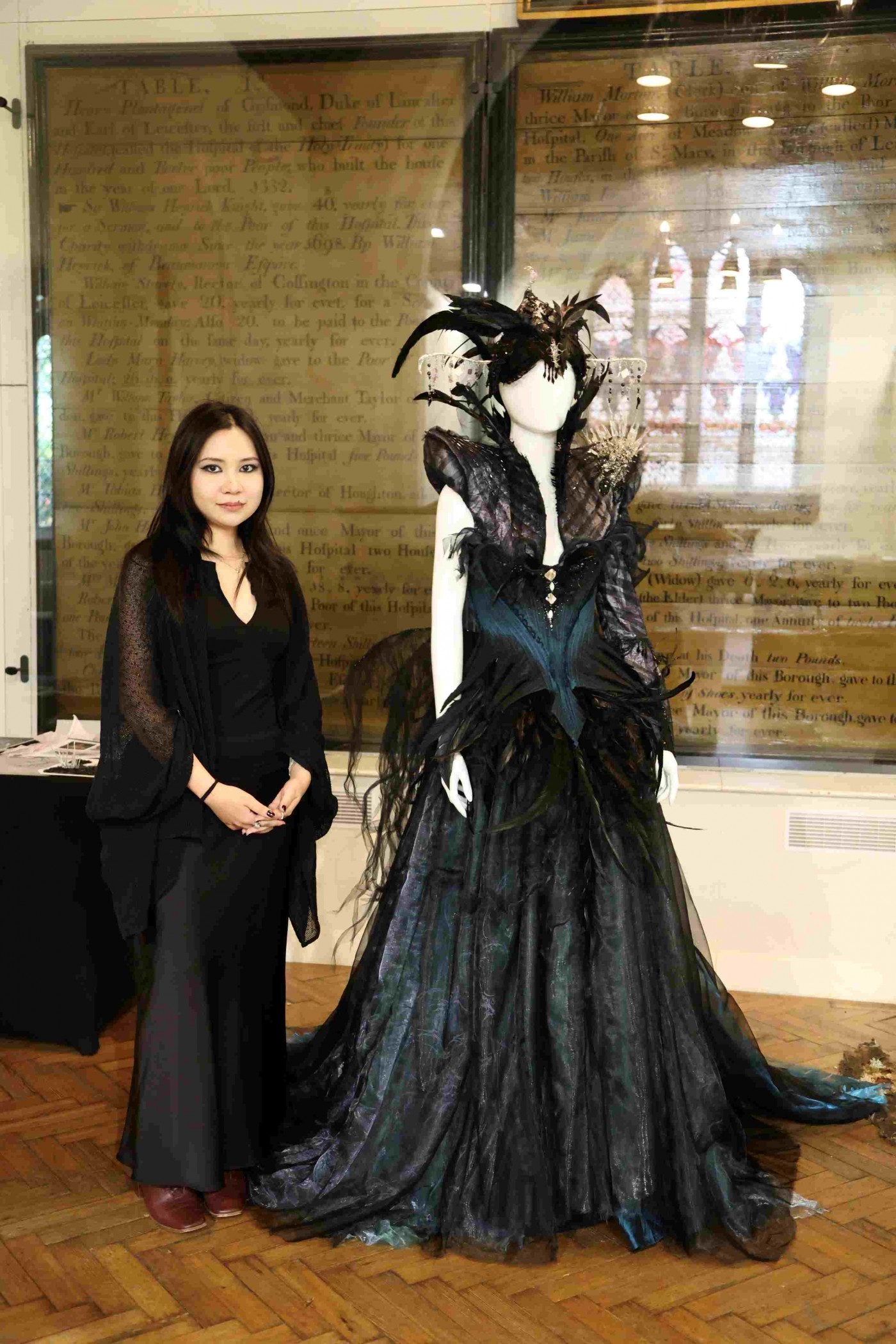
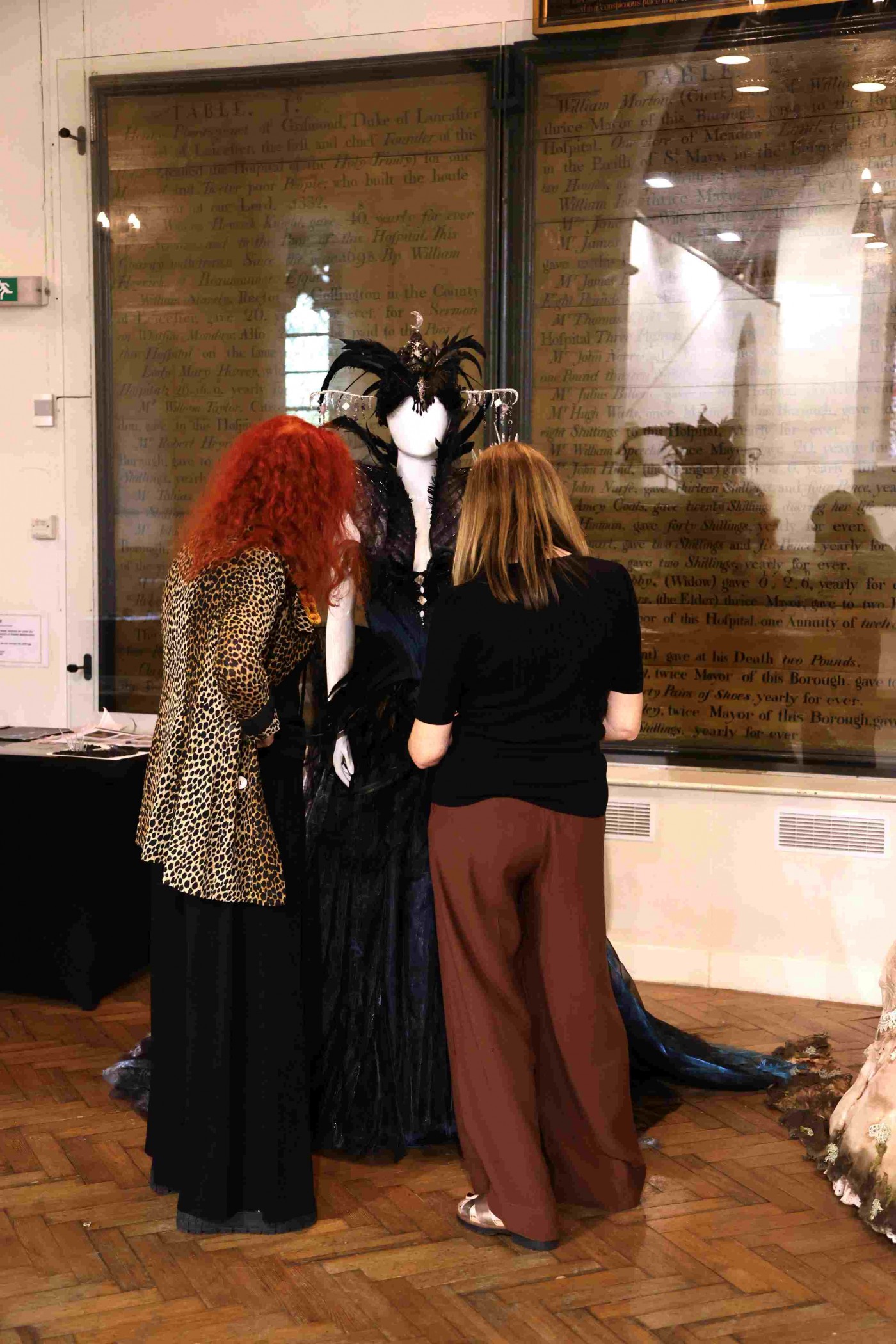
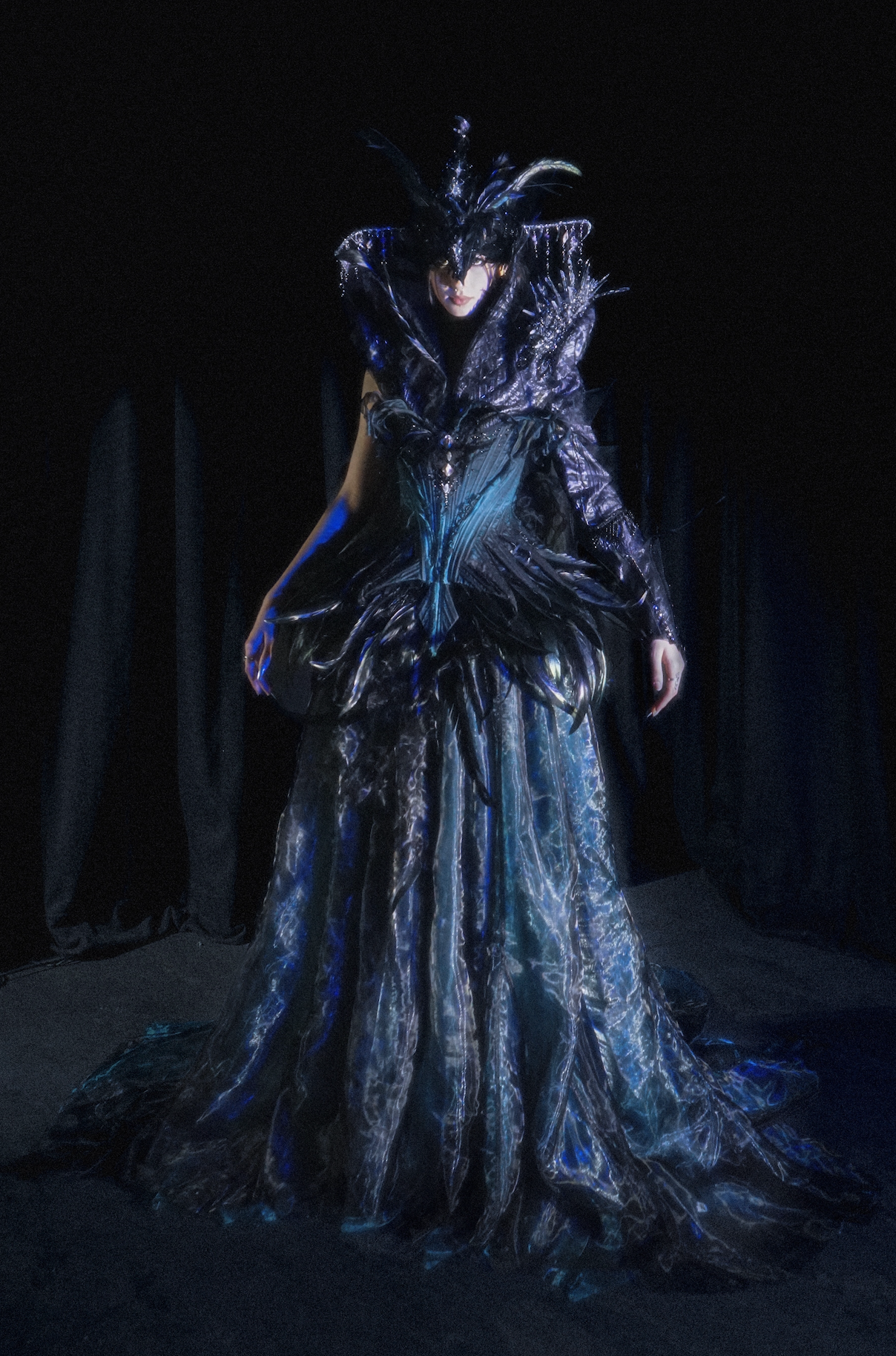
Winner: Gigi Chon Tsz Wan has created a costume for ‘the Queen of the Night’ from Mozart’s The Magic Flute as part of her work as a third year BA Costume Design student at Wimbledon College of Arts based on Patterns of Fashion 1 c1660-1860.
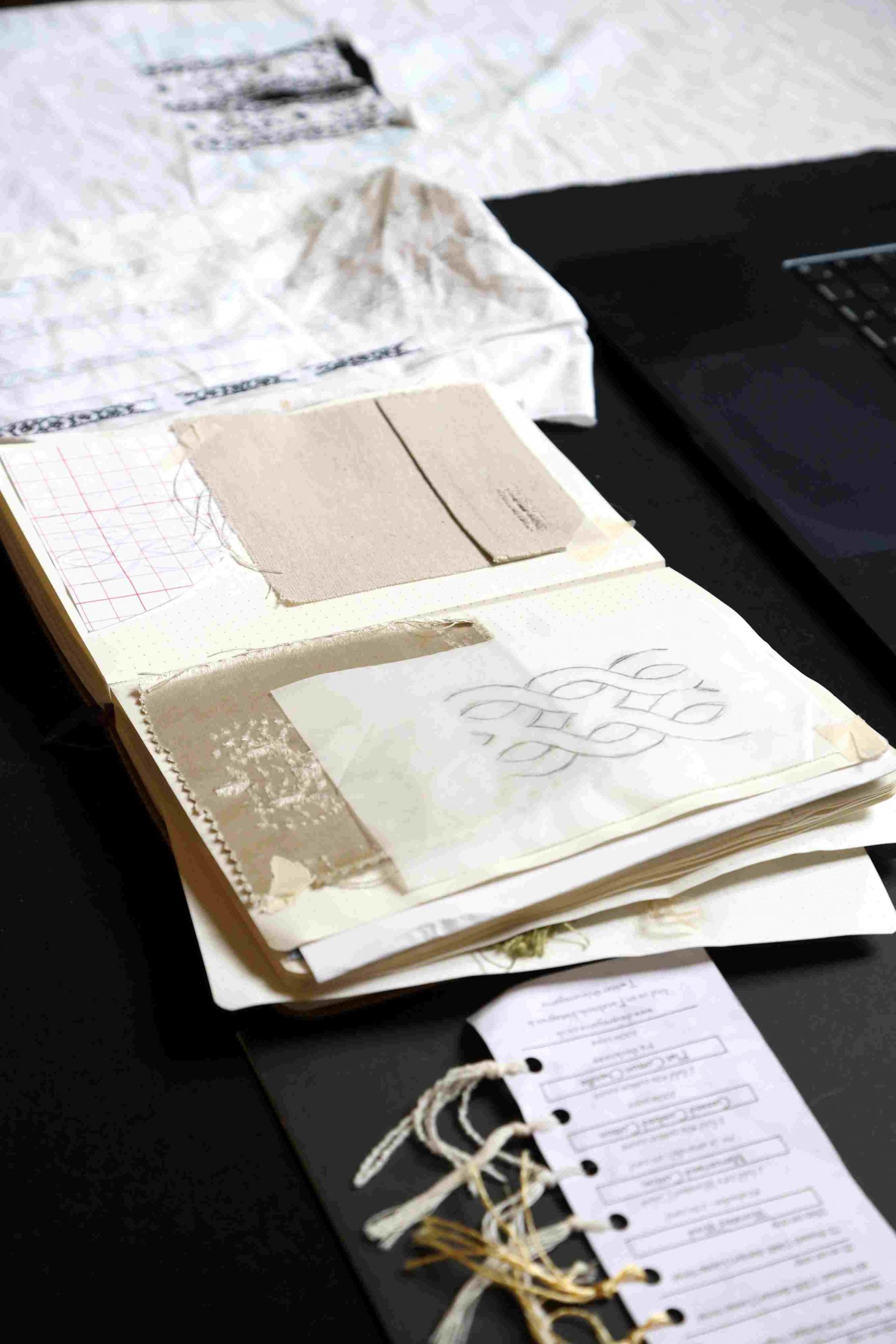
Gigi Chon is a third-year Costume Design student on the BA Costume for Theatre and Screen course at Wimbledon College of Arts, University of the Arts London. Gigi’s work typically combines careful historical research with bold innovation. She takes creative liberties to reveal new possibilities in historical garments while remaining grounded in historical accuracy, creating designs that resonate with contemporary audiences.
At the start of the design process, Gigi usually bases her research on historical garments. She suggests that historical clothing embodies stories, culture, identity, and heritage, and can comment on social issues in both historical and contemporary contexts.
She then works extensively with symbolism, drawing inspiration from museums, galleries, and nature to craft each character’s identity and create strong, visually driven costume designs.
Fabric and textiles are also skilfully explored in her making process as she pushes the boundaries of historical garments while finding the balance between the past and present, creating costumes that captivate contemporary audiences.
“I am absolutely thrilled to be chosen as the winner of the Patterns for Performance Award! Being able to share ideas with so many amazing talented people on the day of the award has been an unreal experience! From entering the competition to being selected as a finalist, I have gained so much understanding as a designer and maker. I have learned that historical research and references are very important during my design process, anchoring my inspiration in historical garments helps add integrity and depth to the character. This competition allows me to step outside my comfort zone to make bold choices in my design, while reminding me of the importance of discipline in pushing my work to the highest standard.”
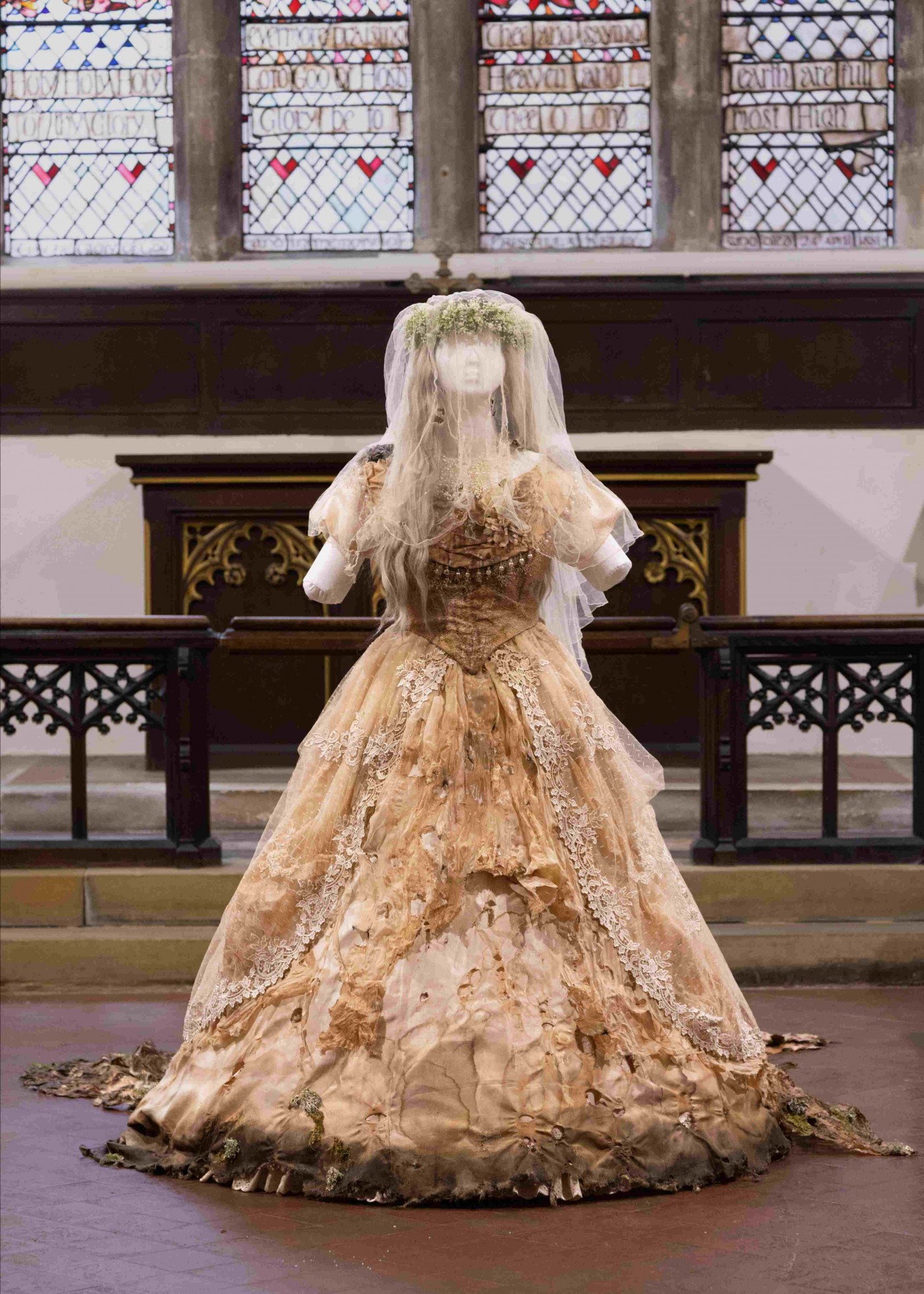
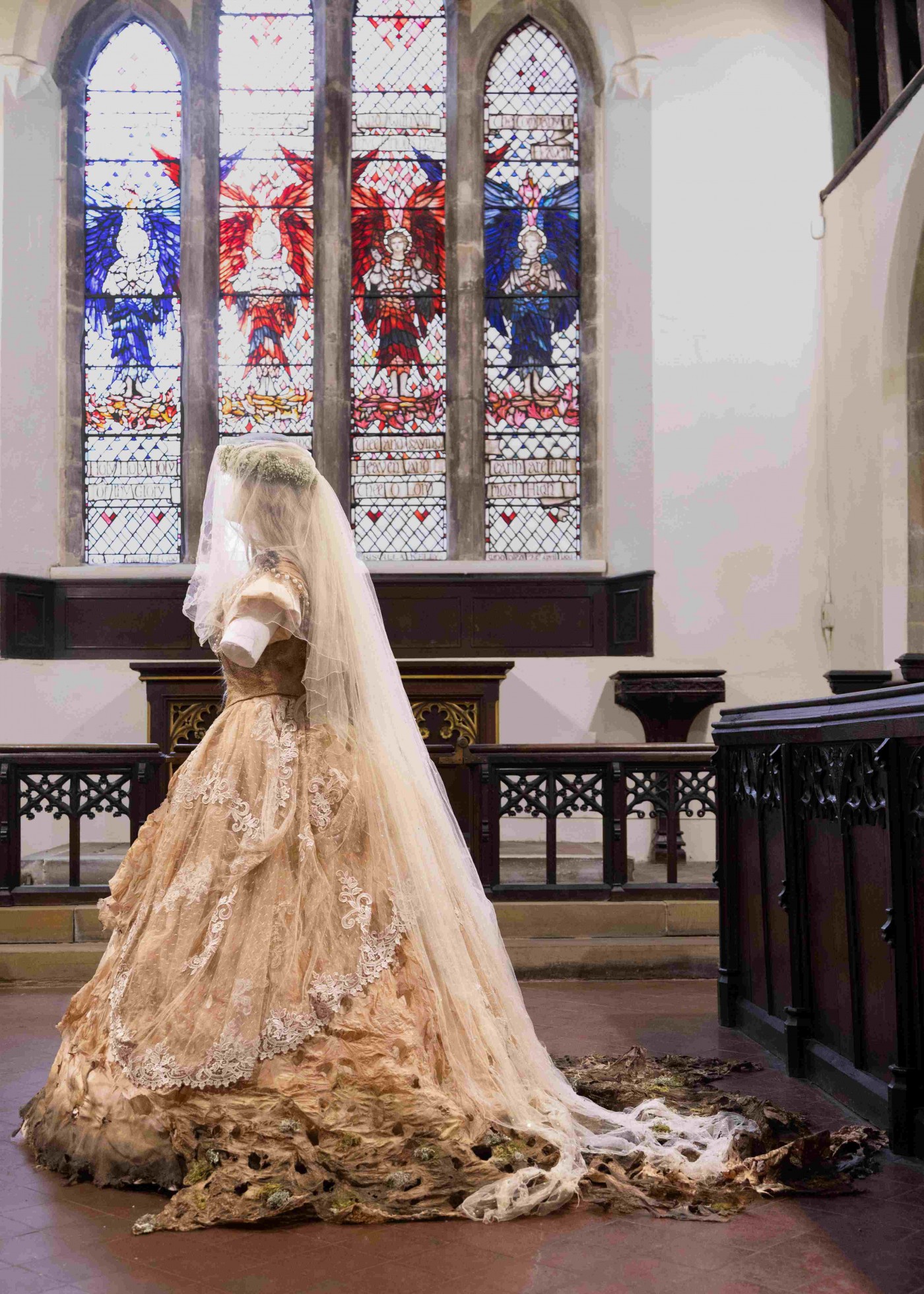
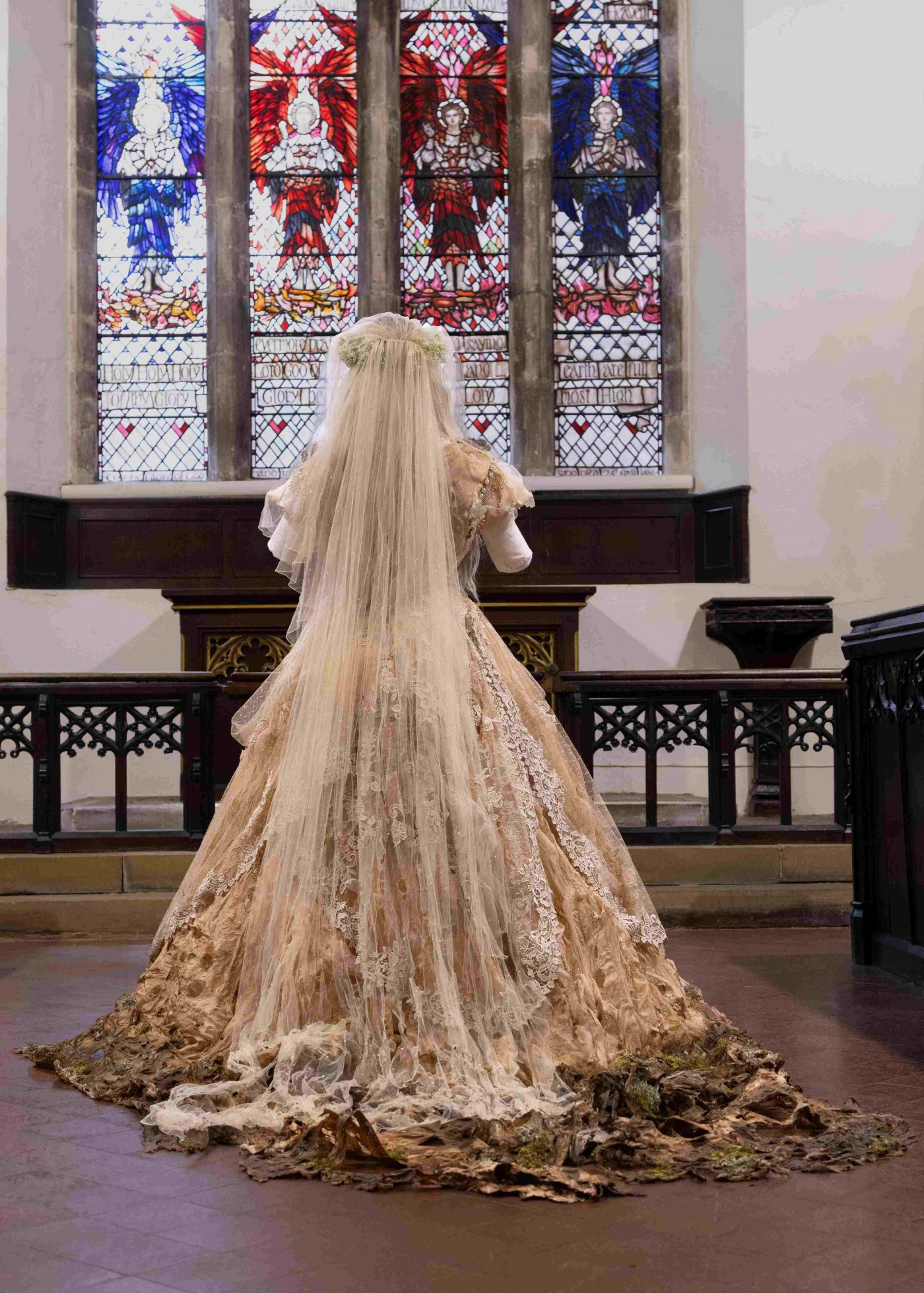
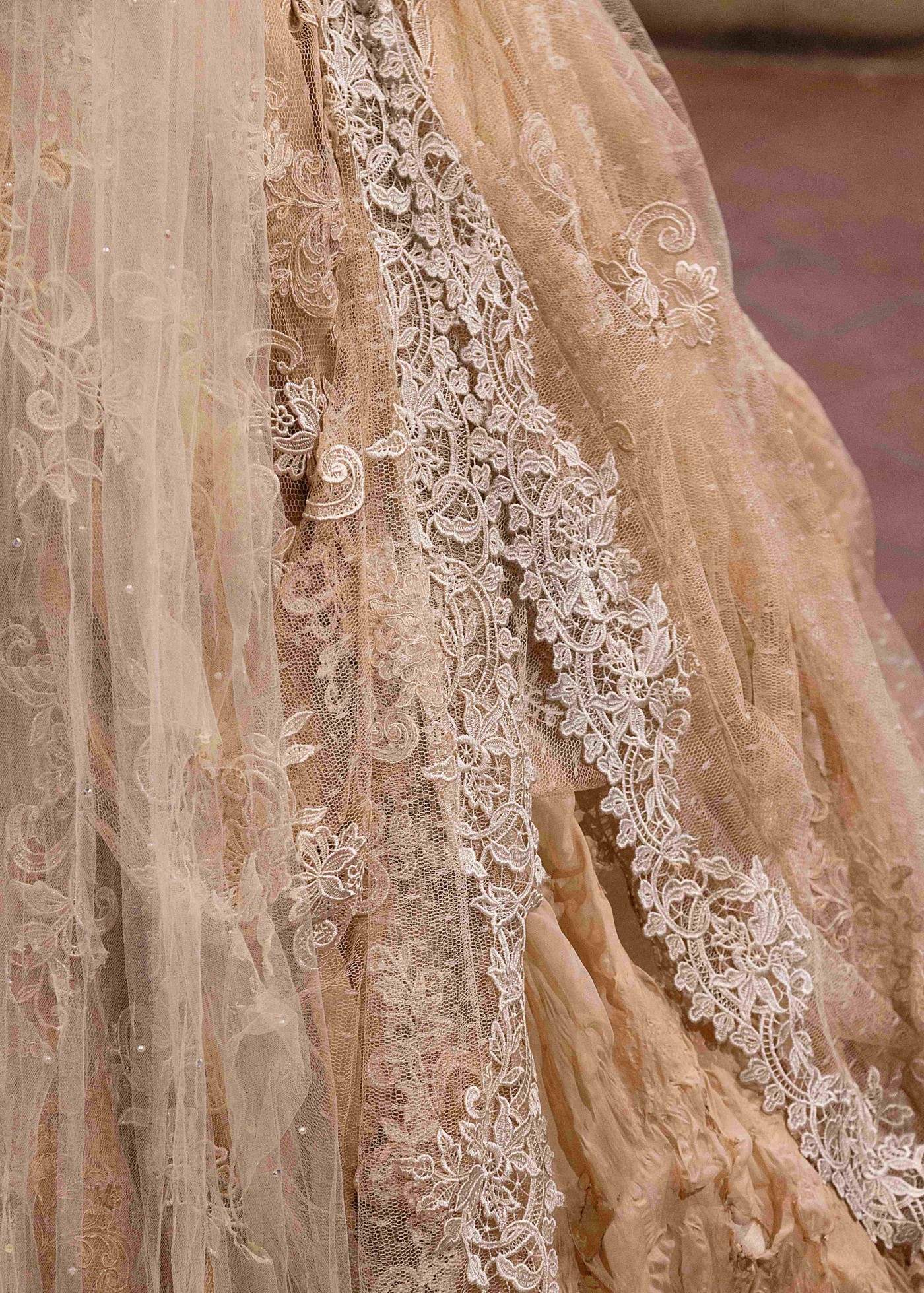
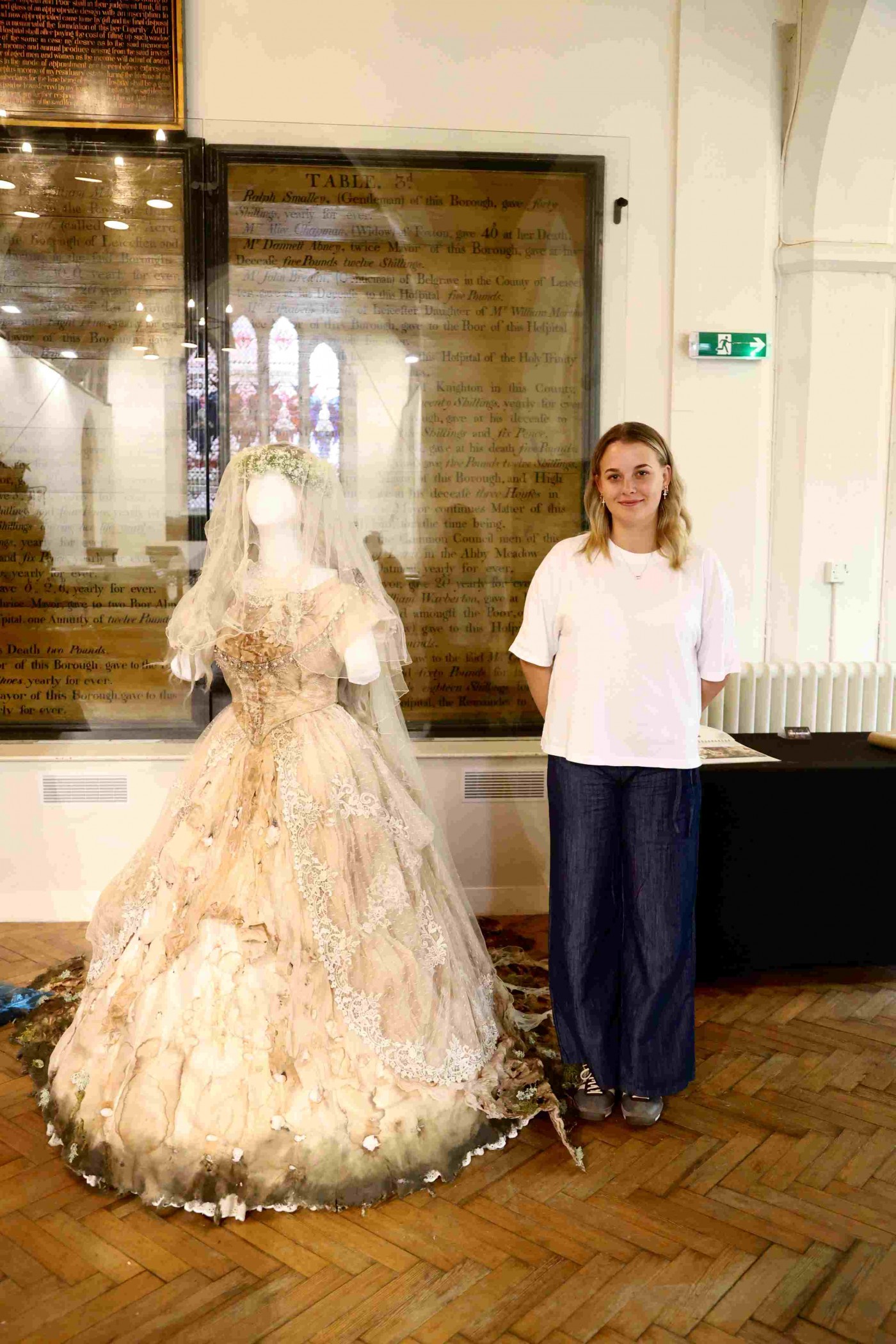
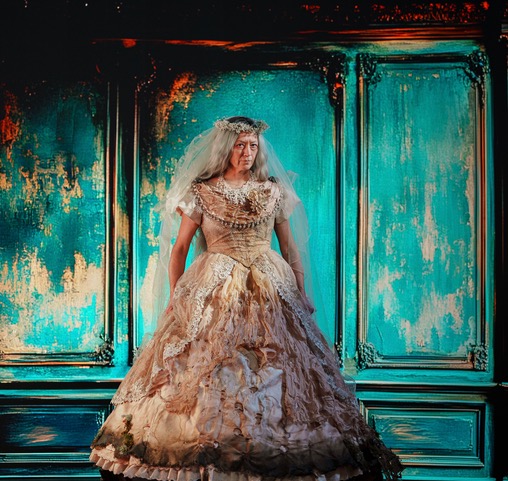
Joint highly commended: Iris Burton is a third year BA Costume Design and Construction student at Nottingham Trent University and she has submitted her costume for Dicken’s ‘Miss Havisham’ from Great Expectations, based on 1861-64 Evening Dress - Patterns of Fashion 2 c1860-1940.
Iris Burton is a third-year BA (Hons) Costume Design and Construction student at Nottingham Trent University. Her practice focuses on historical costume, with particular interests in period pattern cutting, garment construction and textile manipulation.
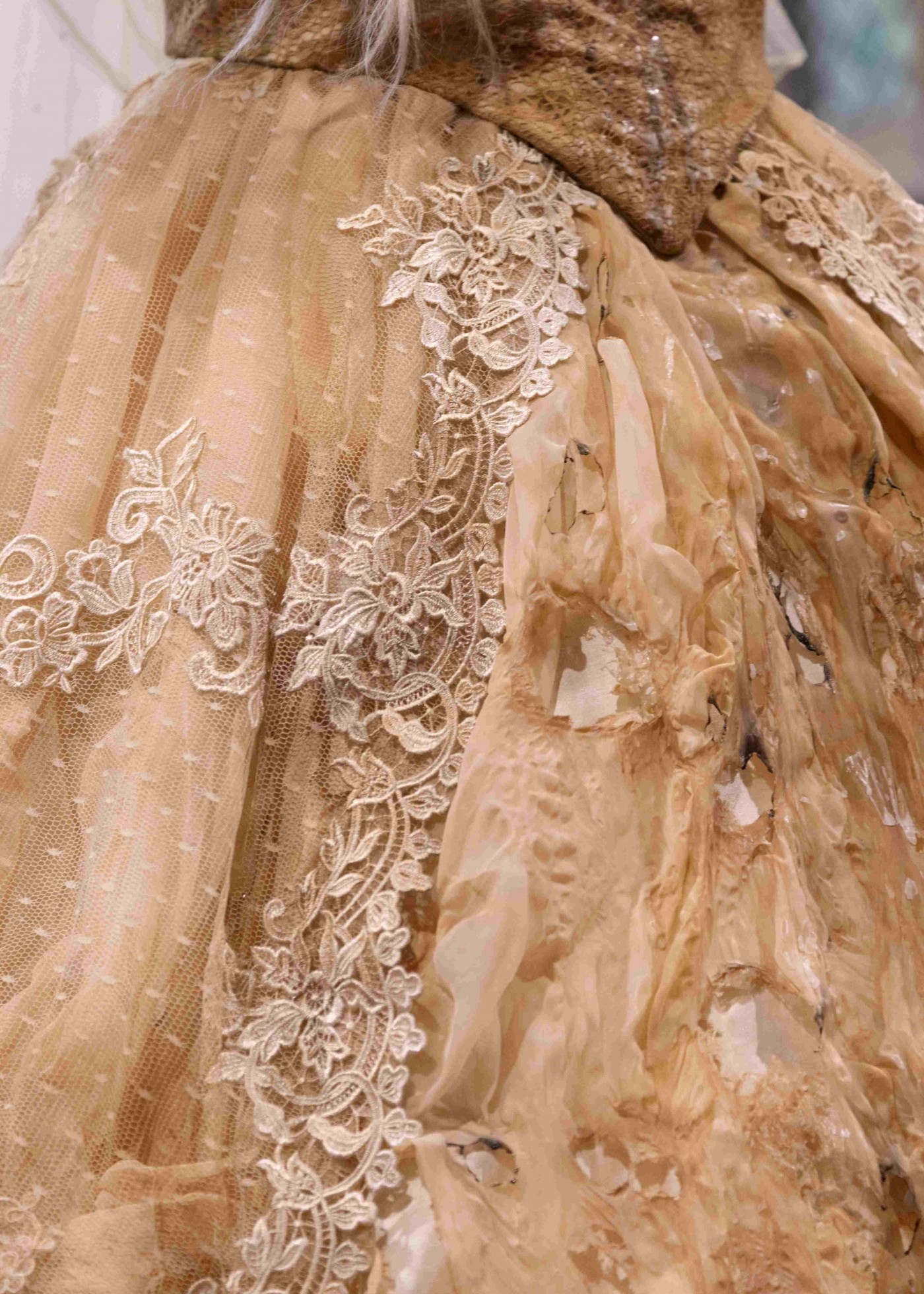
Burton’s work is strongly influenced by her love of textiles and material storytelling. She is particularly interested in breakdown and ageing techniques, using distressing, staining and layered surface treatments. By manipulating materials in this way, she explores how costume can visually express the passage of time and deterioration.
Her interpretation of Miss Havisham from Great Expectations combines historically informed pattern cutting with extensive textile ageing to evoke the character’s prolonged decay. The dress reflects a once-opulent Victorian bridal gown that has deteriorated through 20 years of neglect. The design is complemented by a headpiece made from baby’s breath, a traditional bridal flower subtly reworked to suggest Miss Havisham’s fractured relationship with marriage.
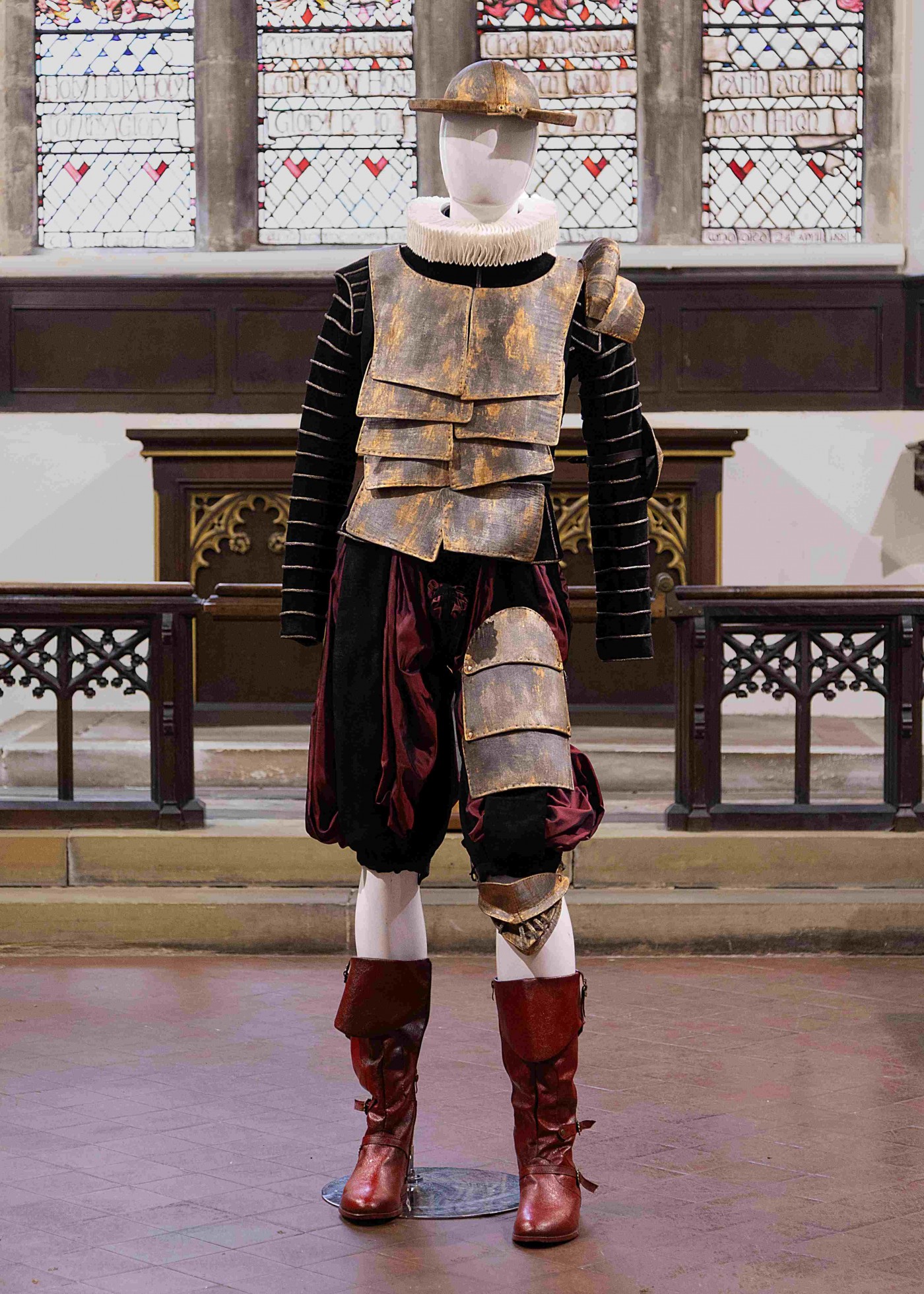
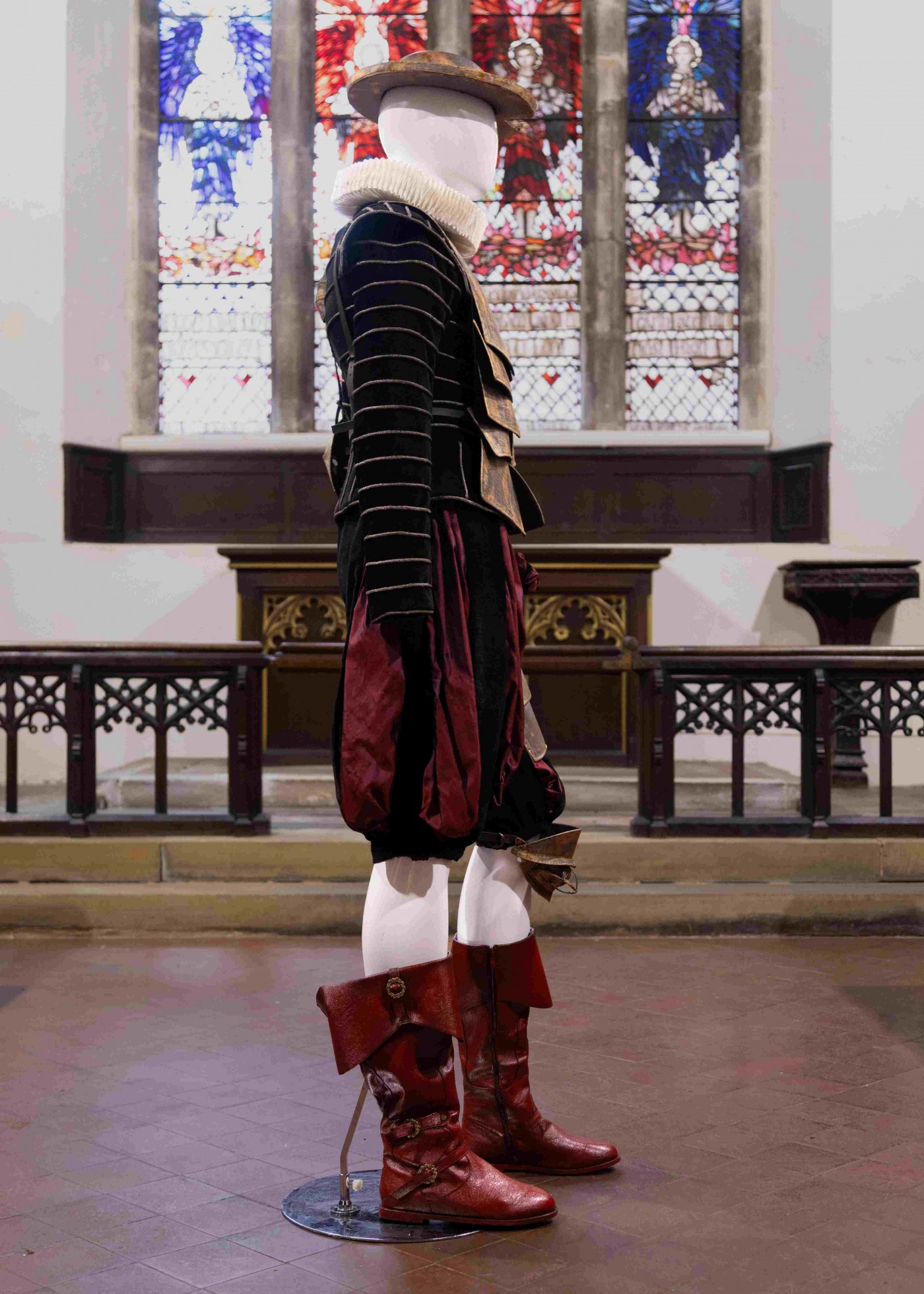
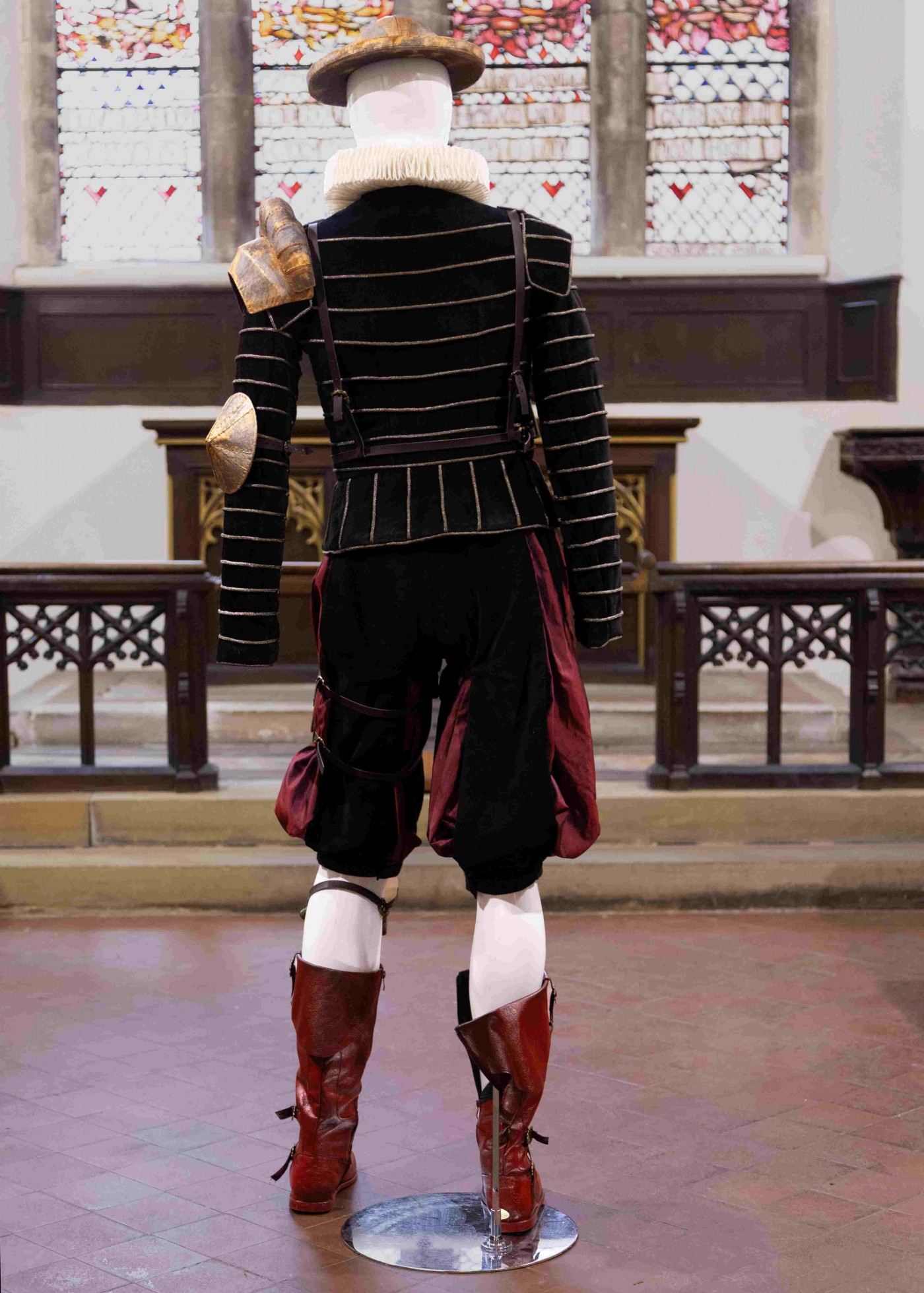
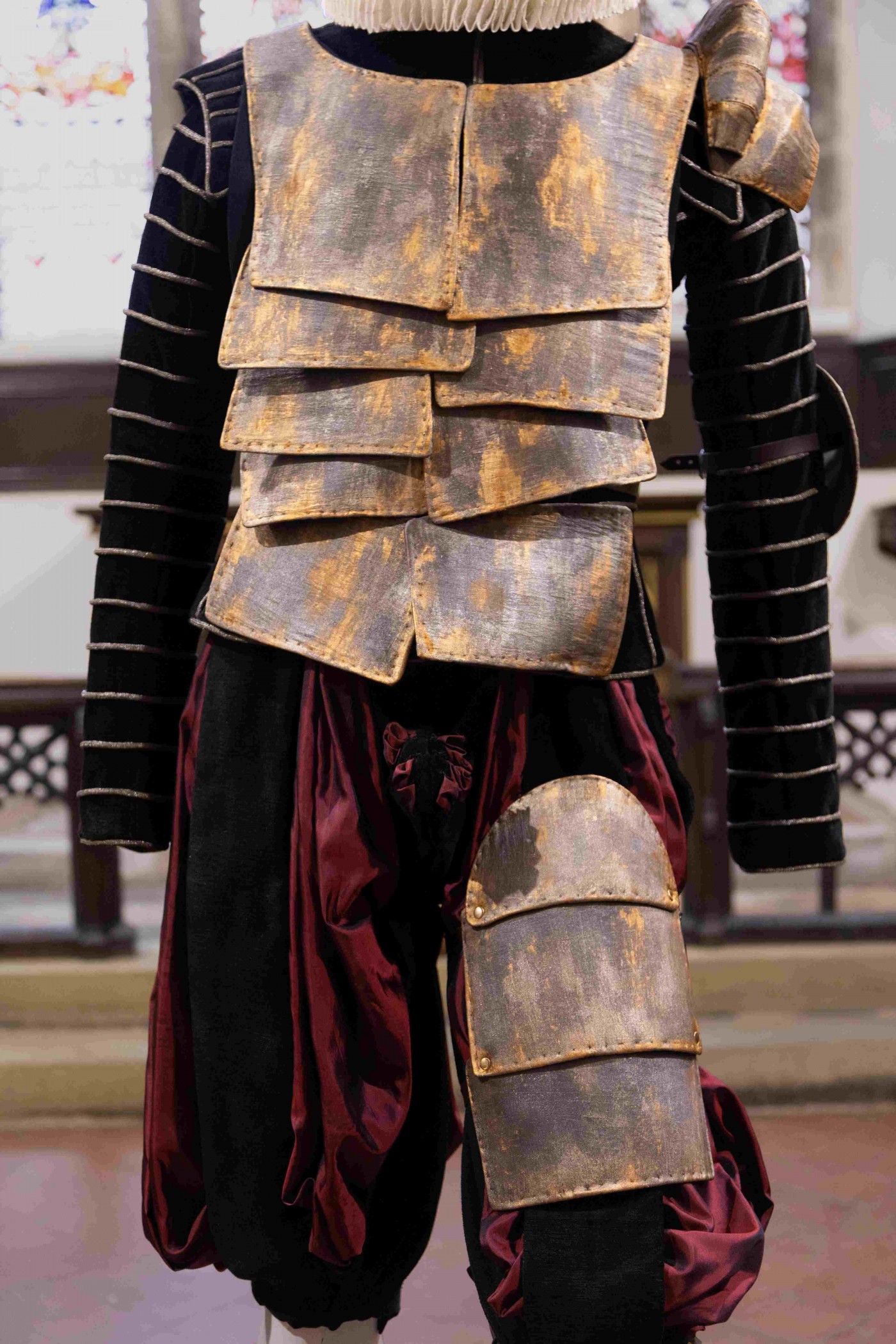
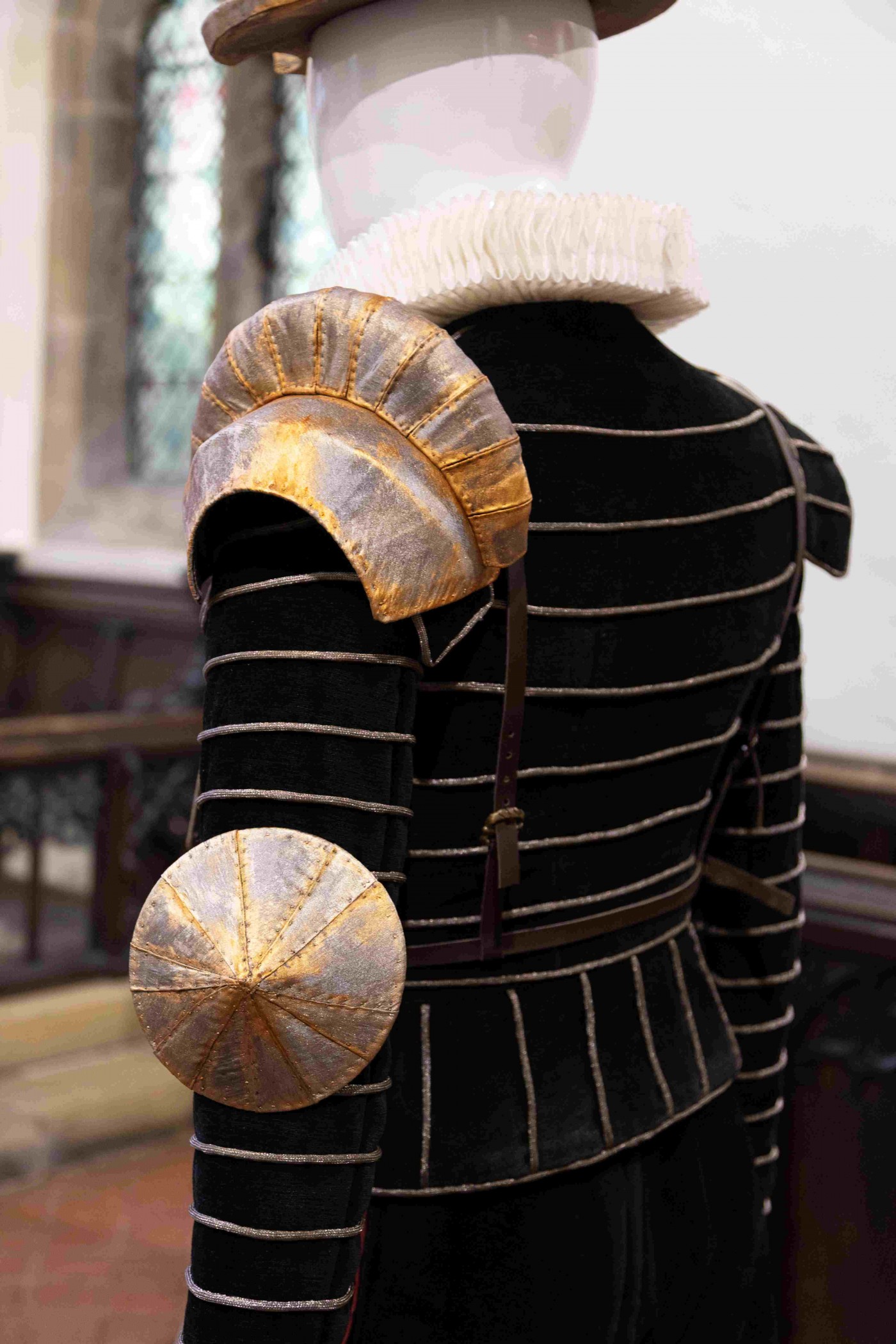
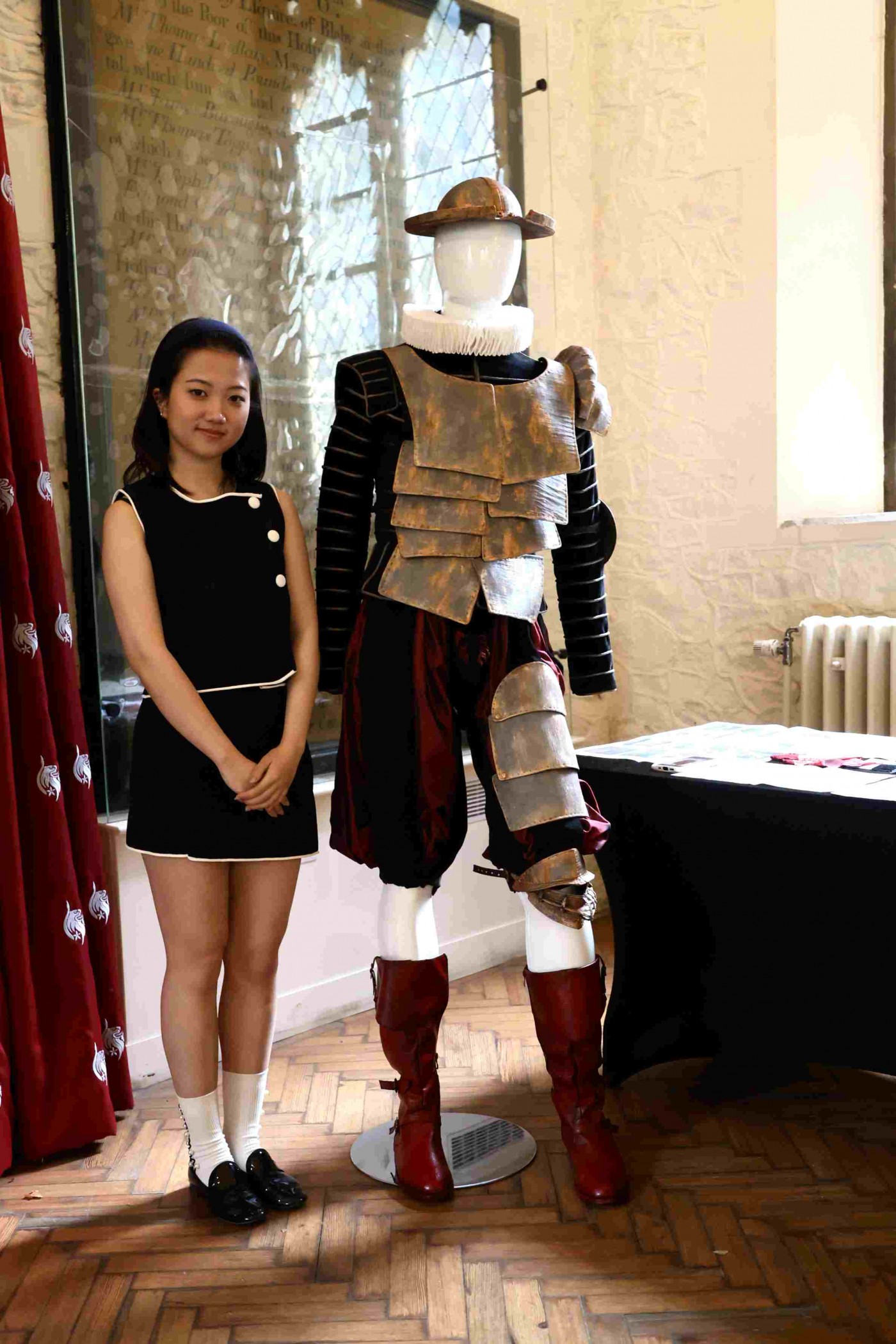
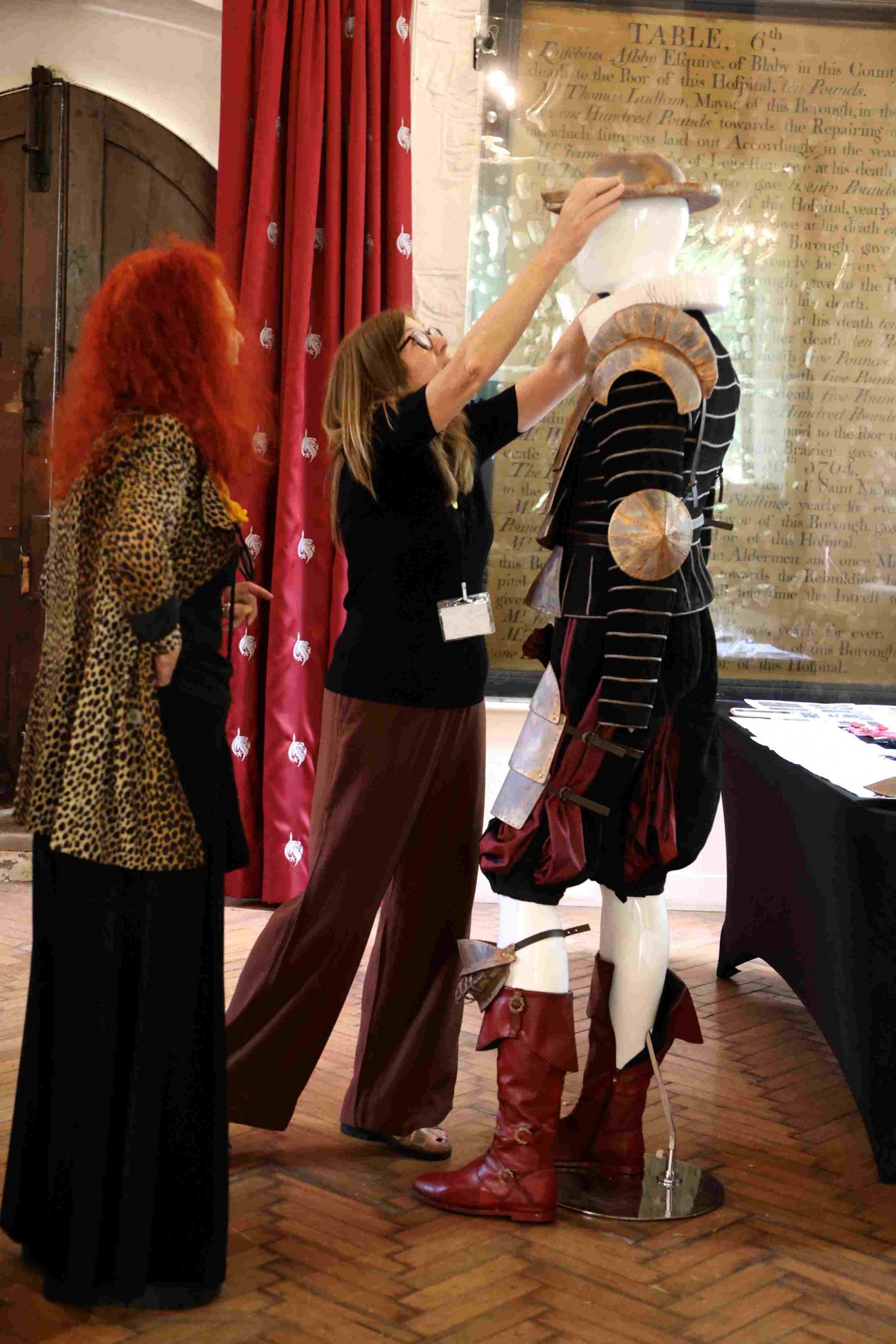
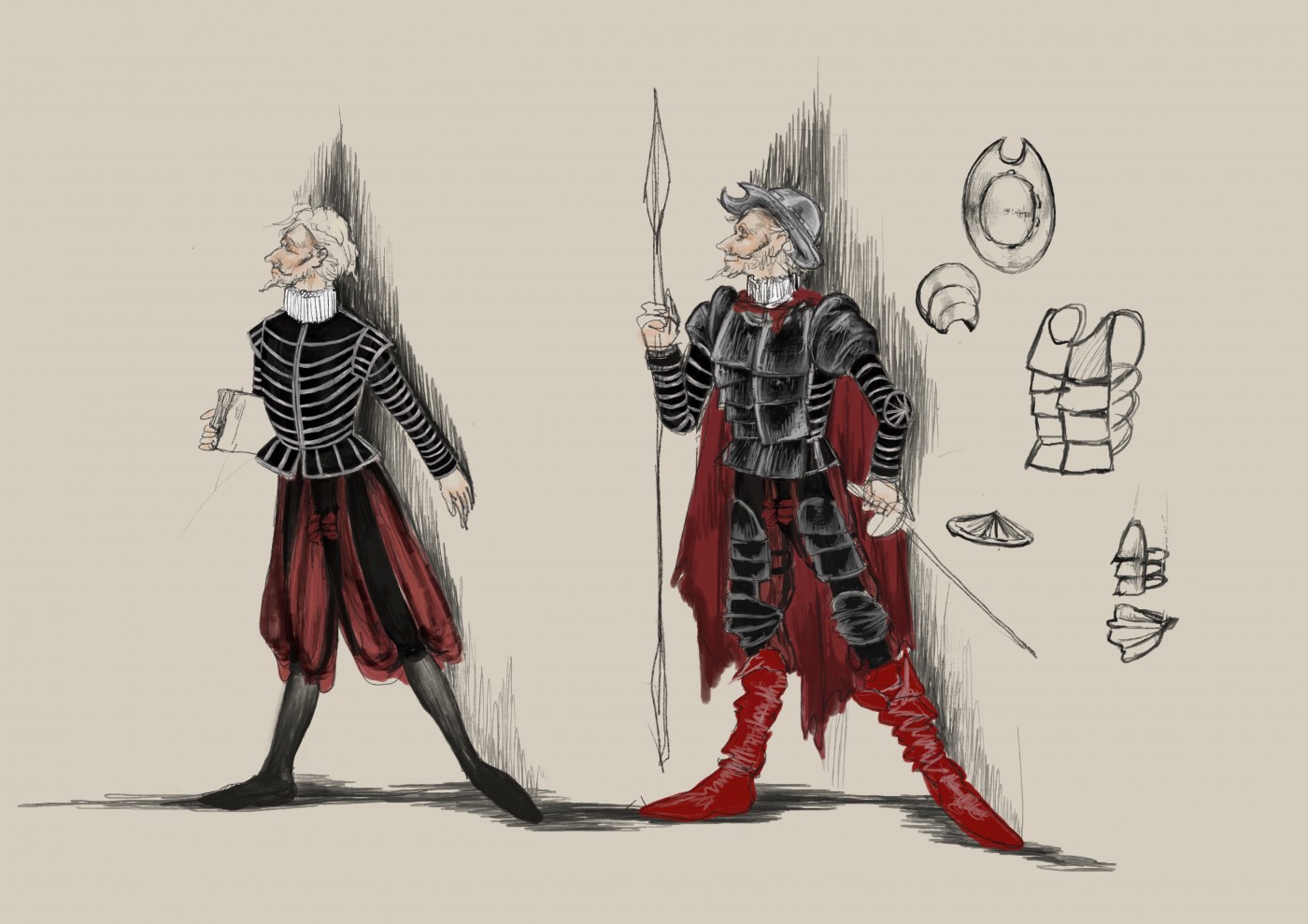
Joint highly commended: Sylvie Xu Xintong has created a costume for the title character Don Quixote in the ballet by Emanuele Luzzati based on 1567 doublet and pluderhose - Patterns of Fashion c1560-1620. Sylvie is a third year BA Costume for Theatre and Screen student at Wimbledon College of Arts.
Sylvie is a third-year student at Wimbledon College of Arts studying on the BA Costume for Theatre and Screen programme. Her practice focuses on costume design and making for ballet and theatre.
For this project, Sylvie designed and developed a costume inspired by a design for Don Quixote by Emanuele Luzzati. Drawing on historical pattern cutting techniques from Janet Arnold’s Patterns of Fashion, she combined period-informed construction with practical knowledge of ballet costuming to create a stage-ready garment that balances historical accuracy with the physical demands of dance. Her research also explored the choreography of the ballet Don Quixote by Marius Petipa, informing decisions around movement, comfort, and visual impact.
Through research-led design and hands-on making, Sylvie aims to create costumes that support both character storytelling and performer movement.
“It really is a privilege and a great honour to have my work exhibited and awarded, and as much as I rejoice in being a finalist and am proud of my work, there is always something that I wish I could have done better or differently. I think this award is not so much an achievement or milestone as it is an incentive of keep striving to be better at what I do, and that is an invaluable motivation for me.”
Using a Janet Arnold or Norah Waugh pattern as a basis to develop a theatrical costume for a character in a performance, this year’s finalists have selected characters from opera, ballet and period drama, and all three have deployed their knowledge of dress history and considerable textiles skills to create highly original and characterful costumes for performance.
Images taken by Molly Oliver.
Image gallery